
Original Art: Considered Elegance for Every Space
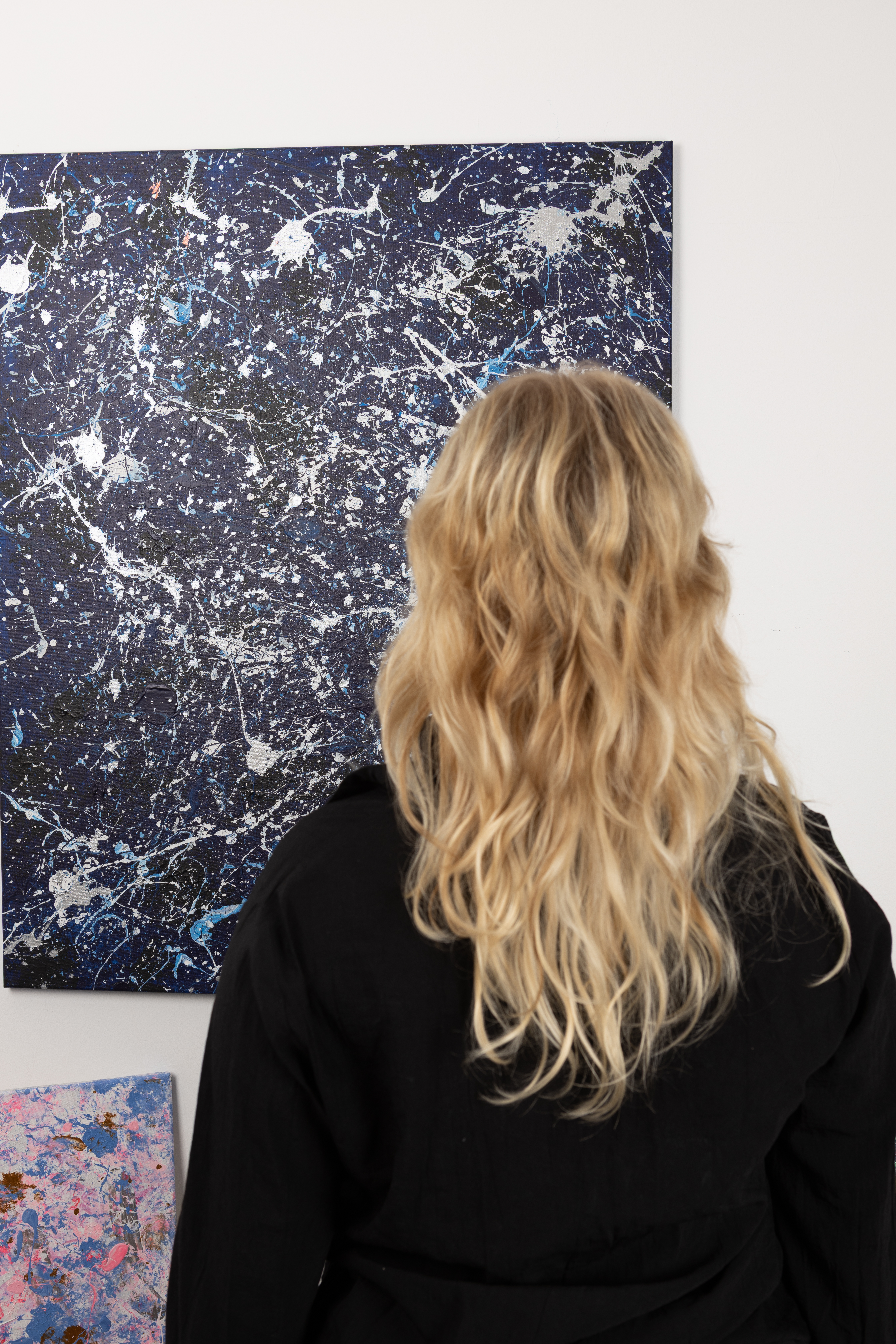
Art shapes spaces, creates atmosphere and tells stories. Carefully chosen original art can give a room a distinctive character. In hotels, practices, businesses and private homes, the choice of art has a substantial influence on the setting. I would like to show how selected works can create an elegant interior through deliberate accents. Art becomes an expression of personality and style.
Original art as an expression of individuality
Original art stands apart from mass-produced decoration. Each work tells its own story, establishing a connection with its setting. That relationship makes the difference.
In hotels, a work can define an entrance or guest room. In practices, reception and waiting areas benefit from a coherent approach. Businesses can choose art for their particular spaces, while in private homes it introduces personal accents.
Selection deserves care. Every work does not suit every room. The relationship between the art, furnishings and the room’s purpose matters.
Materials and techniques: Quality materials such as canvas, wood and metal offer lasting possibilities. Oil painting, acrylics and mixed media provide different forms of expression.
Colours and forms: They influence mood and perception. Warm tones can feel welcoming, while cool tones can suggest calm.
Size and placement: A large painting can become a focal point. Smaller works can complement a room and introduce subtle accents.

How original art makes a lasting impression
Original art can influence a space over time. It changes how a room is perceived. An artwork can give depth to a simply furnished interior, becoming a focal point that invites people to pause.
In businesses, art can support a company’s identity and communicate qualities such as innovation, tradition or creativity. Clients and employees may sense these associations, making an atmosphere feel professional and personal.
In practices, art can also give a waiting or reception area a more personal character. The subject, dimensions and placement should suit the room and allow its daily activities to flow.
Private interiors benefit from individuality. Art can reflect personal preferences, journeys and memories.
A carefully selected artwork can shape a room’s atmosphere for years. Its presence in the setting and the personal connection to the work are decisive.
What matters when choosing art?
The room, your taste and the characteristics of the original are central to choosing a work. These questions can help:
Artistic voice: Does the composition speak to you beyond current trends?
Originality: Is it a unique work, and which materials and techniques were used?
Colour and light: How does the impression change between daylight and artificial lighting?
Condition and care: What guidance is available on light, humidity and cleaning?
Origin and documentation: Are the artist, year and artwork details clearly documented?
Through colour, texture and size, abstract art can respond to a particular space. With a commission, the desired atmosphere and placement can be discussed early.

Practical tips for choosing and placing art
A structured approach helps when selecting art. Consider the following:
Assess the room: Review its dimensions, lighting and furnishings.
Style and subject: Do they suit the room’s purpose and atmosphere?
Set a budget: Artworks are available at different price levels.
Seek advice: Professional guidance can help with selection and placement.
Individual solutions: Commissioned art allows a work to be developed for your setting.
Art integrates more convincingly when it enters into a relationship with the room. Clear lines and restrained forms can help create a calm, elegant impression.
Appropriate care helps preserve a work. Avoid direct sunlight and moisture, and follow the care guidance for its materials.
Art as part of a personal interior
Art can give a room personality and a focal point. Colour, surface and size should work with the furnishings and the way the space is used.
I recommend choosing individual works with carefully considered materials and execution. They can create a distinctive atmosphere and become a central part of the room.
If you are looking for distinctive original pieces, explore Why Jucyy. Here, individual abstract commissions are developed for spaces in Hamburg and beyond.
Art creates spaces that stay with us: places that make an impression and inspire.
I hope these reflections help you find the right art for your rooms. An elegant interior grows from considered decisions, and art can play a powerful role in that process.


Comments